Skip to content


Why Winter Is Prime Time For Thermal Drone Inspections
- by Megan Wood
Cold, dark mornings aren’t most people’s idea of good flying weather. For thermal drone inspections, though, winter is often the best time of year to get clear, useful results. Here’s why, and how to make the most of it.
Why cold weather helps thermal imaging
A thermal camera doesn’t see heat directly. It sees differences in surface temperature. The bigger the difference between a warm building and the cold air around it, the more clearly problems stand out.
In winter, buildings are heated and outside temperatures are low. That contrast makes missing insulation, damp, air leaks and faulty heating pipes far easier to spot than on a mild summer’s day, when everything sits at a similar temperature.
The best thermal drone inspections to book this winter
-
Building heat loss surveys: find where warmth is escaping through roofs, walls, windows and doors.
-
Flat roof inspections: trapped moisture holds heat differently from dry roofing, so leaks show up clearly after sunset.
-
District heating and pipework: buried or exposed pipes that are losing heat appear as warm lines on the image.
- Electrical and substation checks: higher winter demand puts more load on equipment, which can make hot spots easier to find.
Solar panel inspections are a little different, because they rely on strong sunlight rather than cold. In winter, plan these for clear, bright days around the middle of the day.
Tips for better winter thermal surveys
-
Fly early in the morning or after dark, before the sun warms surfaces and hides the detail you’re looking for.
-
Choose dry, calm conditions. Rain, frost and wind can all distort readings.
- Keep an eye on your drone’s operating limits and battery performance in the cold. We covered this in our guide to flying drones in cold weather.
Choosing the right thermal drone
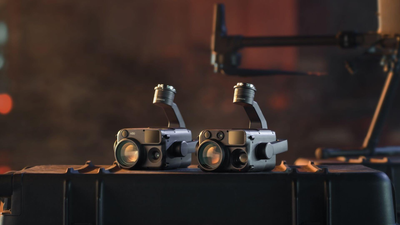
Your aircraft matters. The DJI Matrice 4T, available from Coptrz, combines a 640 × 512 thermal camera with wide and zoom cameras, and it can operate in temperatures down to -10°C (DJI’s stated minimum). For large assets that need several sensors at once, the DJI Matrice 400 with the Zenmuse H30T is a strong option, while the DJI Matrice 4TD with a DJI Dock 3 suits sites that need regular, automated patrols.
Good results depend on the pilot as well as the drone. Coptrz’s thermography courses help your team understand what they’re seeing, so they can turn images into reports clients trust.
FAQs
Why are thermal drone inspections better in winter?
Thermal cameras show temperature differences. Heated buildings and cold air create a bigger contrast, so faults stand out more clearly.
What time of day is best for a thermal drone survey?
Early morning or after dark, before sunlight warms surfaces and masks problems.
Can I inspect solar panels with a thermal drone in winter?
Yes, but pick clear, bright days around midday, as solar inspections need strong sunlight.
Final thoughts
Not sure which aircraft suits your work? Take a look at our guide to the Best Thermal Drones 2026.