Skip to content


Are Drone Noise Regulations The Next Hurdle For UK Operators?
- by Megan Wood
Drones are quieter than helicopters, so why is the UK regulator studying their noise? Here’s what the CAA’s latest report says, and how your team can stay ahead of future drone noise regulations.
What is CAP3304?
On 29th September 2026, the Civil Aviation Authority (CAA) published CAP3304, Managing Noise from Emerging Aviation Technology. It looks at how noise from drones and eVTOL aircraft (electric vertical take-off and landing aircraft, such as air taxis) could be assessed and managed as these operations grow.
It’s important to be clear on one point: the report doesn’t introduce new rules. It reviews the current framework, highlights gaps and sets out options to support the Department for Transport as it develops a national drone noise policy.
Why quieter drones aren’t the whole answer
The report recognises that drones are generally quieter than helicopters. However, it points out that the way drones fly can still cause problems for people on the ground:
-
Low-altitude flights close to homes
-
Repeated flights along the same routes
- Hovering in one spot for long periods
Some drone sounds may also be more annoying than other noise at the same volume, and traditional aviation noise measurements weren’t designed for short, scattered flights. On top of that, there’s limited UK evidence on how regular drone activity affects people, which is why the CAA favours a flexible approach over fixed numerical limits for now.
What it means for drone operators
For now, there are no new restrictions on BVLOS (beyond visual line of sight) flights. However, as BVLOS operations become routine, keeping local communities on side will matter as much as getting airspace approval. The report suggests operators should:
-
Share information with communities early, before operations start
-
Offer an easy way for people to get in touch or raise concerns
-
Show that feedback can genuinely change how flights are run
- Reduce exposure through careful choices of routes, altitudes and launch sites
It also notes that limits on operating hours, flight numbers or activity near sensitive locations could be needed later if other measures don’t work.
Preparing for future drone noise regulations
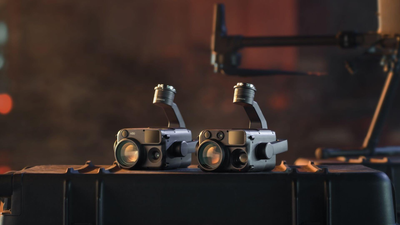
You don’t need to wait for a policy to act. Plan routes and altitudes that keep you away from homes where you can, and keep records of any complaints you receive. Your choice of aircraft helps too. The DJI Matrice 4 series, available from Coptrz, can be flown with low-noise propellers, a simple way to reduce your footprint on inspection work near residential areas.
FAQs
Are there UK drone noise regulations?
There is no dedicated national drone noise policy yet. CAP3304 sets out options to help shape one, rather than new rules.
When was CAP3304 published?
The CAA published CAP3304 on 29th September 2026.
Does CAP3304 restrict BVLOS flights?
No. It introduces no new BVLOS restrictions, but stresses community engagement as operations grow.
Final thoughts
Want a quieter option for inspections near homes? Find out more about the DJI Matrice 4T from Coptrz.