Skip to content


What Are The Best DJI Drones For Indoor Flying And Racing?
- by Stefan Gandhi
Indoor flying and drone racing are two of the most exciting ways to enjoy a DJI drone, but they demand a very specific mix of features. Indoors, you need stable hovering, smooth handling in tight spaces, strong safety protections, and a drone that does not feel intimidating the first time it lifts off. For racing, the priorities shift towards rapid response, sharp manoeuvrability, durability, and a view that helps you judge speed and corners with confidence.
The good news is that DJI now offers several consumer drones that can suit indoor practice, sporty flying, and FPV style runs, depending on how bold you want to be and how much space you have. In this guide, we will compare four standout options for UK pilots: DJI Mini 5 Pro, DJI Neo 2, DJI Flip and DJI Avata 2. You will learn which drone suits indoor flying, which works best for fast and fun racing style sessions, and how to choose based on your experience level and where you plan to fly.
What Indoor Flying & Racing Actually Require
Indoor flight is a different world from outdoor flight. There is no GPS lock to save you, lighting changes can affect sensors, and walls appear much faster than you expect. A drone that feels stable outside can feel twitchy in a living room, warehouse, sports hall, or studio.
Indoor flying tends to reward drones that offer these qualities.
- Stable hovering and predictable controls
- Strong obstacle sensing or protective design
- Good performance in low light and mixed lighting
- A compact frame that fits through doorways and gaps
- Propeller protection or a design that reduces the risk of cuts and damage
Racing style flying is about speed and precision. Traditional cinematic camera drones can move quickly, but they are not built for repeated knocks or tight gates. FPV oriented drones give you the immersive view and a more direct feel, which is why they dominate racing and freestyle.
Racing style flying tends to reward drones that offer these qualities.
- Very low control latency and sharp response
- A stable live feed that stays clear at speed
- Strong acceleration and braking
- Durability for bumps and crashes
- A view that helps you commit to lines and corners
These needs rarely come together in one perfect drone, so the best choice depends on the style of flying you want to do most.
The Four DJI Drones Worth Considering
Before choosing, it helps to understand what each of these drones is built to do.
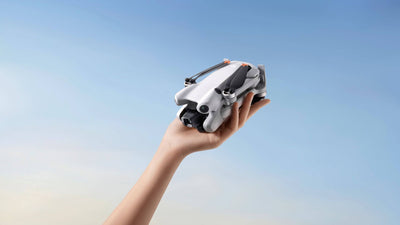
DJI Mini 5 Pro is a compact camera drone designed for high quality aerial video and photos, with strong stabilisation and smart flight features. It can be flown indoors in the right conditions, but it is not an indoor specialist and it is not designed for racing.
DJI Neo 2 is a smaller, more casual and accessible option that suits close range flying and learning. It is the sort of drone many pilots feel comfortable using indoors for practise and quick sessions, especially when you want something less intimidating than a full camera drone.
DJI Flip is designed around portability and ease of use, aimed at pilots who want a simple way into DJI flight without jumping straight into a complex setup. It sits between beginner friendly fun and serious camera capability, depending on how you configure and use it.
DJI Avata 2 is the most obvious fit for racing style flying because it is an FPV drone built for immersive, agile flight. It can be flown indoors in larger spaces by confident pilots, and it excels at fast lines, dives, and tight transitions.
Best DJI Drone For Indoor Flying In Small Spaces
If your indoor flying takes place at home, in a small studio, or anywhere with lots of obstacles, your first priority is safety and confidence. You want a drone that makes you relax, not one that makes you tense every time it approaches a wall.
DJI Neo 2 For Indoor Confidence & Regular Practice
For many people, DJI Neo 2 is the easiest place to start for indoor flying. A smaller drone is simply less stressful indoors. It carries less momentum, reacts well to gentle inputs, and tends to be easier to recover when you drift off line. It is also a strong option for practising basic stick skills, like smooth throttle control, coordinated turns, and controlled approaches.
Neo 2 makes sense if you want a drone that you can pick up, fly for ten minutes, and put away without a major setup routine. Indoors, that ease matters. The more friction you remove, the more likely you are to practise regularly.
Who it suits best
- Beginners practising indoors for the first time
- People with limited indoor space
- Anyone who wants casual indoor flying without a big learning curve
Tips to get better results indoors
- Use slower control settings while learning
- Keep flights short until you can hold altitude steadily
- Practise hovering in one spot before flying routes around furniture
DJI Flip For Controlled Indoor Flight With More Versatility
DJI Flip is a strong alternative if you want indoor practise but also want a drone that transitions nicely to outdoor flying. Indoors, it can offer a manageable experience when flown with restraint and good preparation. It tends to appeal to pilots who want a portable drone that is still enjoyable in larger indoor spaces like sports halls, empty offices, or warehouses, where you have room to build simple courses.
Flip is a good middle ground for pilots who are ready for something more capable than a basic trainer, but still want a friendly drone they can fly without feeling like they are handling specialist gear.
Who it suits best
- Beginners who want one drone for indoor and outdoor use
- Pilots practising indoors in larger, open areas
- Anyone building confidence before moving into FPV
Best DJI drone For Indoor Racing & Fast Manoeuvres
Indoor racing has a different feel from outdoor racing. You are closer to the action, speed feels higher, and the course demands quick decisions. This is where FPV style flying comes into its own.
DJI Avata 2 For Indoor FPV & Racing Style Flying
DJI Avata 2 is the best DJI option in this list for racing style flying. Its biggest advantage is the FPV experience, where you fly by what you see in the live feed rather than looking at the drone. That viewpoint makes it much easier to judge gates, corners, and speed, once you are used to it.
Avata 2 is also built to handle the kind of flying that would quickly punish a camera drone. Quick changes in direction, low runs, fast climbs, and repeated practice sessions suit its design and purpose. Indoors, it shines in larger spaces where you can keep a safe buffer from walls while you practise.
If your goal is to simulate racing lines, build muscle memory, and enjoy the thrill of speed, Avata 2 is the clear winner.
Who it suits best
- Pilots who want racing style or freestyle FPV flying
- Anyone flying indoors in sports halls, warehouses, or large studios
- Confident pilots who want a drone designed for agile flight
Indoor setup tips for Avata 2
- Start in a wide open indoor space with clear boundaries
- Use a spotter for early sessions to avoid unexpected hazards
- Keep your course simple at first, then add gates and tighter turns
Best DJI Drone For Cinematic Indoor Shots
Some people want indoor flight for racing practise. Others want it for content. If you film indoor walkthroughs, real estate tours, events, or social content, your needs change again. You want stable footage, clean motion, and a camera that looks good in mixed lighting.
DJI Mini 5 Pro For Controlled Indoor Filming
DJI Mini 5 Pro is the choice here when the aim is higher quality footage rather than fast manoeuvres. Indoors, it can deliver smooth, stabilised video and it is capable of producing content that looks polished and professional. The trade off is that it demands more care. A camera drone is still a fast moving object with exposed propellers, and indoor flight punishes hesitation and poor planning.
Mini 5 Pro fits best when you have a planned route and an open enough space to fly safely. A calm approach works best, with slower speeds and deliberate moves. If you treat it like a flying camera rather than a racing drone, it can reward you with strong results.
Who it suits best
- Content creators filming indoors with a clear route
- Pilots who already have solid control skills
- People who want one drone that excels outdoors and can handle indoor filming occasionally
Practical indoor filming tips
- Fly slower than you think you need to
- Avoid flying close to reflective surfaces and mirrors
- Keep lighting consistent for the cleanest results
Which DJI Drone Is Best For UK Beginners Who Want To Race?
If you are new to drones and want to build towards racing style flying, you can take two sensible paths.
One path is to start with Neo 2 or Flip, build your fundamentals indoors and outdoors, then move to Avata 2 once you have solid throttle control and coordination.
The other path is to commit to Avata 2 earlier, but treat your first weeks as skill building, not speed chasing. That route can be incredibly fun, but it rewards discipline.
A simple way to choose is to match your main goal to your first drone.
- Indoor practise and confidence first
Choose DJI Neo 2
- One drone for indoor practise and outdoor fun
Choose DJI Flip
- Cinematic content and occasional indoor filming
Choose DJI Mini 5 Pro
- Racing style, fast lines, and FPV immersion
Choose DJI Avata 2
Indoor Flying & Racing Safety In The UK
UK rules for drones focus on safety, and indoor flight does not remove your responsibility. Private indoor spaces can reduce the public risk, but you still need safe habits.
Always check your flight area for people, pets, fragile objects, and hazards like fans, hanging lights, and narrow stairwells. Use propeller guards when appropriate, especially for home practice. Indoors, keep flights short and controlled. Racing style flying should be saved for spaces that give you room to make mistakes without consequences.
A simple approach is to set a safety buffer around your course. If you cannot maintain a comfortable margin from walls and people, slow down and simplify the route.
How To Build An Indoor Racing Practice Plan
If you want to get better quickly, consistency matters more than bravado. A simple weekly plan can take you from shaky hovering to smooth racing lines faster than you expect.
Session ideas that work well
- Hover practice at a fixed height for one minute
- Slow figure of eight turns around two markers
- Gate practice with a wide gap, then gradually narrow it
- Braking drills where you accelerate and stop on a mark
- Smooth cornering where you focus on line choice, not speed
Record short clips of your practice sessions. Watching your lines back reveals habits that are hard to notice while flying, like drifting wide in turns or overcorrecting with yaw.
Conclusion
The best DJI drone for indoor flying and racing depends on the space you have and the style of flying you enjoy most. DJI Neo 2 is a brilliant starting point for indoor practice and confidence, DJI Flip offers a versatile step up for pilots who want a balanced option, DJI Mini 5 Pro is the strongest pick for cinematic indoor shots when flown carefully, and DJI Avata 2 is the standout choice for racing style FPV flying and fast manoeuvres in larger indoor spaces.