Skip to content


How DJI Dock 3 Improves Workflows At South Korean Construction Site
- by Stefan Gandhi
Managing a large construction site demands constant oversight, fast decision making and reliable data. In this case study from DJI Enterprise, a major semiconductor project in South Korea demonstrates how DJI Dock 3, paired with FlightHub 2, transforms site operations. By automating inspections, enabling remote monitoring and delivering real time insights, the system helps project teams improve efficiency, reduce risk and maintain momentum across a vast and complex environment.
The Scale And Complexity Of Modern Construction Sites
The project highlighted in this case study is one of South Korea’s most significant industrial developments. Spanning over four million square metres, the site is divided into multiple sections and disciplines, all contributing to a critical semiconductor production hub.
With such scale comes complexity. Teams must coordinate across different areas, manage timelines tightly and respond quickly to changes. Even minor delays can have serious consequences when working on infrastructure that supports global supply chains.
Traditional inspection methods struggle to keep pace in environments like this. Walking or driving across a site of this size is time consuming, resource heavy and often impractical, especially when weather conditions deteriorate. This creates gaps in visibility and slows down decision making at critical moments.
Challenges Faced Before Drone Deployment
Before adopting DJI Dock 3, the construction team encountered several operational challenges that limited efficiency and increased risk.
One of the most significant issues was extreme weather. Winter conditions brought temperatures as low as minus 20 degrees, along with heavy snowfall and strong winds. These conditions made manual inspections difficult, slow and in some cases unsafe.
Site inspections required significant manpower and often involved hazardous terrain. Workers needed to access elevated structures or unstable ground, increasing the risk of accidents. At the same time, the time required to gather data meant that teams often missed the optimal window to respond to issues.
Another limitation was the reliance on subjective judgement. Without consistent and up to date data, decisions were based on fragmented information gathered by individuals across the site. This made coordination more difficult and reduced overall accuracy in planning.
Introducing DJI Dock 3 And FlightHub 2
To overcome these challenges, the project team implemented DJI Dock 3 alongside FlightHub 2. This combination delivers a fully automated drone workflow designed for continuous site monitoring and data collection.
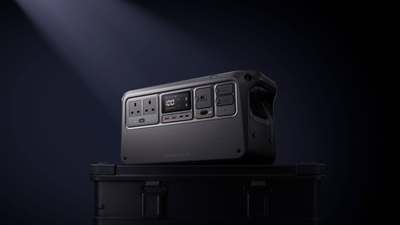
DJI Dock 3 acts as a remote drone base station. It enables automated take off, landing, charging and mission execution without the need for on site personnel. Drones can be deployed on a schedule or on demand, ensuring consistent coverage of the entire site.
FlightHub 2 serves as the central platform for managing operations and analysing data. It allows teams to plan missions, monitor flights in real time and share insights across the organisation.
Together, these tools create a connected ecosystem where drones collect data, upload it to the cloud and make it instantly available for decision makers.
Remote Monitoring And Automated Inspections
One of the most impactful changes introduced by DJI Dock 3 is the ability to monitor the entire construction site remotely.
Instead of sending teams into the field, operators can launch drone missions directly from the office. The drones follow pre defined routes, capturing high resolution imagery and data across key areas of the site.
This automation removes the need for manual inspections and ensures consistency in how data is collected. It also allows for more frequent monitoring, as drones can be deployed regularly without increasing labour requirements.
The ability to conduct inspections remotely is particularly valuable in hazardous conditions. Drones can access areas that are difficult or dangerous for humans, including elevated structures and unstable terrain.
Performance In Extreme Weather Conditions
A key advantage of DJI Dock 3 in this case study is its ability to operate reliably in harsh environments.
The system is designed to function in sub zero temperatures, with a battery heating mechanism that enables immediate take off even in extreme cold. This ensures that operations can continue throughout winter without delays.
The drones also maintain stable flight performance in strong winds and snowfall. Accurate GPS positioning allows for precise data capture, even when conditions are less than ideal.
This level of reliability ensures that construction teams can maintain visibility of the site at all times, regardless of weather. It removes one of the major bottlenecks associated with traditional inspection methods.
Data-Driven Decision Making Across The Site
One of the most significant benefits of the system is the shift towards data driven decision making.
With DJI Dock 3 and FlightHub 2, all collected data is centralised and updated in real time. Teams can access the latest site models, review progress and identify issues quickly.
This eliminates reliance on subjective assessments and ensures that decisions are based on accurate and consistent information. It also improves communication between teams, as everyone works from the same data set.
Meetings become more effective, with visual insights and up to date models providing a clear picture of the site. This enhances situational awareness and supports faster, more informed decisions.
Significant Time Savings And Efficiency Gains
The impact on efficiency is substantial. According to the case study, surveying time has been reduced by over 80 percent.
Tasks that previously took several days can now be completed in just a few hours. This acceleration allows teams to respond more quickly to changes and maintain progress across the project.
In addition, drones eliminate the need for preparatory work such as snow clearing before inspections. They can be deployed immediately, providing rapid assessment of site conditions.
By streamlining workflows and reducing manual effort, DJI Dock 3 enables teams to focus on higher value tasks rather than routine inspections.
Improving Safety And Reducing Risk
Safety is a critical concern on any construction site, particularly one of this scale. The introduction of drone technology has had a direct impact on reducing risk.
By replacing manual inspections with automated drone missions, the need for workers to enter hazardous areas is significantly reduced. This removes exposure to risks associated with unstable ground, extreme weather and working at height.
The case study reports zero inspection related accidents since adopting drones. This highlights the potential of the technology to improve safety outcomes while maintaining operational efficiency.
In addition, real time hazard detection allows teams to identify risks earlier and take preventative action. This shift from reactive response to proactive prevention is a key advantage.
Real-Time Collaboration And Communication
Another major benefit is improved collaboration across project teams.
With data shared through FlightHub 2, stakeholders can access the same information regardless of their location. This enables better coordination between teams and supports more efficient workflows.
Real time updates allow teams to track progress, identify issues and adjust plans quickly. This is particularly valuable on large sites where communication gaps can lead to delays.
By providing a single source of truth, the system ensures that everyone is aligned and working towards the same objectives.
Local Processing And Secure Data Management
The deployment also incorporates a closed network system, addressing concerns around data security. This is particularly important for large infrastructure projects where sensitive information must be protected.
Local processing capabilities allow mapping and modelling to be completed quickly, without reliance on internet speed. This ensures consistent performance and reduces delays in data analysis.
The ability to process large volumes of data without restrictions further enhances the value of the system. Teams can generate detailed models and insights without worrying about limitations.
Why This Matters For UK Construction And Engineering Teams
For professionals in the UK drone and construction sectors, this case study highlights the growing importance of automated drone solutions.
Large scale infrastructure projects in the UK face similar challenges, including complex environments, tight deadlines and strict safety requirements. DJI Dock 3 offers a proven approach to addressing these challenges.
By enabling remote monitoring, improving data accuracy and reducing risk, the system supports more efficient and effective project delivery.
As the industry continues to evolve, adopting drone technology is becoming less of an option and more of a necessity for maintaining competitiveness.
FAQs
What is DJI Dock 3 used for?
DJI Dock 3 is an automated drone base station that enables remote deployment, charging and operation of drones. It is used for tasks such as site inspections, mapping and monitoring without the need for on site pilots.
How does DJI Dock 3 improve construction site management?
It automates inspections, provides real time data and enables remote monitoring. This improves efficiency, reduces manual labour and supports faster decision making across the project.
Can DJI Dock 3 operate in extreme weather conditions?
Yes, the system is designed to operate in harsh environments, including sub zero temperatures and strong winds. Battery heating and stable flight performance ensure reliable operation.
What is FlightHub 2 and how does it work with DJI Dock 3?
FlightHub 2 is a cloud based platform that manages drone operations and data. It integrates with DJI Dock 3 to provide mission planning, real time monitoring and data sharing across teams.
How much time can drones save on construction inspections?
In this case study, inspection and surveying time was reduced by over 80 percent. Tasks that previously took days were completed in just a few hours.
Are drones safer than manual inspections on construction sites?
Drones reduce the need for workers to access hazardous areas, lowering the risk of accidents. They also enable early detection of risks through real time data.
Is DJI Dock 3 suitable for UK construction projects?
Yes, it is well suited to large and complex projects in the UK. It supports compliance, improves safety and enhances operational efficiency.
Conclusion
The DJI Dock 3 case study from South Korea demonstrates how automated drone systems can transform construction workflows. By combining reliable hardware with powerful data management tools, the solution delivers measurable improvements in efficiency, safety and decision making.
For organisations managing large scale or complex projects, the ability to monitor sites remotely, gather accurate data and respond quickly to changes is invaluable. As this technology continues to evolve, it is set to play a central role in the future of construction and infrastructure management.
Ready to upgrade your operations with enterprise drone solutions? Explore the latest DJI Enterprise drones and more at the Coptrz official online store today.