Skip to content


How DJI Dock 3 Drones Now Handle Mine Security In Peru
- by Stefan Gandhi
High in the Peruvian Andes, one of the world's largest copper-zinc mines has turned to automated drones to secure its vast site without adding headcount. At the Antamina mine, DJI Enterprise partner QTC Group is running operational tests with the DJI Dock 3 and the Matrice 4TD, using automated flight routes and AI detection to patrol around the clock. This case study looks at how the system works, the results reported so far, and what mine and site security teams can learn from it.
The Challenge At Antamina
Antamina is a huge operation, and securing a site of that scale is a constant challenge. Traditional security relies on fixed cameras and ground patrols, but cameras only see fixed points and people cannot be everywhere at once. Covering the whole site properly would normally mean hiring more staff, which is expensive and slow.
The goal was full-site security coverage without adding personnel. That is exactly the sort of problem an automated drone system is built to solve, and it is why QTC Group, working alongside security specialists Liderman and Protecta Perú, brought the DJI Dock 3 into a live mining environment.
How The DJI Dock 3 System Works
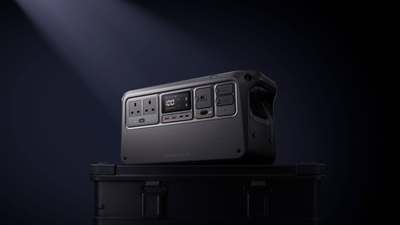
The DJI Dock 3 is an automated drone-in-a-box station that houses and charges a drone so it can launch, fly a set route, and return without a pilot on site. At Antamina it is paired with the Matrice 4TD, and the two run automated flight routes across the site on a schedule as well as on demand.
Because the aircraft lives in the dock and recharges itself, coverage becomes continuous rather than occasional. Instead of waiting for a patrol to reach a distant part of the site, the drone is already positioned to fly there quickly, giving the control room a live overhead view whenever it is needed.
AI Detection And Better Night Operations
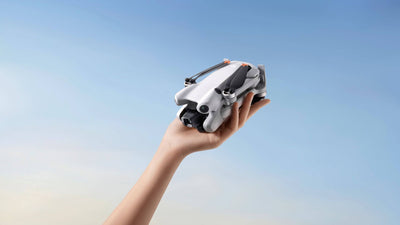
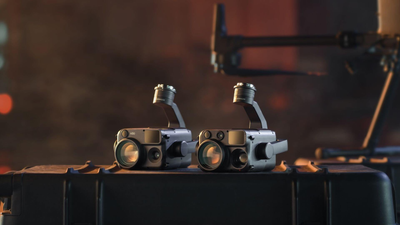
The intelligence in the system comes from the Matrice 4TD. According to QTC Group, its AI features provide greater autonomy by automatically detecting people and vehicles, so the drone can flag activity rather than simply record it. That shifts security from passive footage review to active, real-time awareness.
Night is where this matters most. Tracking people, animals, and vehicles is far harder in the dark, and the AI helps make those tasks easier and more reliable after sunset. The reported benefits at Antamina include better operations, improved data tracking, reduced exposure of field personnel to hazards, and faster, more efficient responses to critical events.
Safer, More Proactive Security
The partners frame the result as a change in mindset rather than just a new gadget. As Protecta Perú puts it, a smart protection solution still requires knowledge, technology, and trained security professionals working together. The drone does not replace the team, it extends what the team can see and do.
The wider point is about proactivity. By combining automated patrols with AI detection, the site can spot and respond to risks as they happen instead of reviewing what went wrong afterwards. Keeping field personnel out of hazardous areas while still maintaining coverage is a safety win in its own right.
What Site Security Teams Can Take From It
QTC Group describes the DJI Dock 3 as the next step in the evolution of safety and efficiency in mining operations, and the reasoning travels well beyond Peru. The model is not about flying a drone, it is about deploying an autonomous digital infrastructure that helps prevent risks in real time, streamlines operations, and protects a site's most valuable assets, its people and its operational continuity.
Any organisation guarding a large or remote site can follow the same template. Position an automated dock where response time matters, pair it with AI detection and thermal capability, integrate it with the existing control room, and keep skilled operators in the loop. The payoff is wider coverage, faster response, and safer staff, without a proportional rise in headcount.
FAQs
What is the DJI Dock 3?
The DJI Dock 3 is an automated drone-in-a-box station that houses, charges, and launches a compatible drone such as the Matrice 4TD for round-the-clock remote operations. It enables scheduled patrols and rapid response flights without a pilot on site, which suits security, mining, and infrastructure monitoring.
How are drones used for mine security?
Drones provide automated aerial patrols across large mine sites, streaming live video and using AI to detect people and vehicles. Paired with a dock, they deliver continuous coverage, cut response times to incidents, and keep security staff out of hazardous areas while maintaining oversight.
Can drones do security patrols at night?
Yes. Drones like the Matrice 4TD use thermal imaging and AI detection to track people, animals, and vehicles in the dark, which is far harder for fixed cameras and ground patrols. At the Antamina mine this is one of the main reasons the system was adopted.
What is the DJI Matrice 4TD?
The DJI Matrice 4TD is an enterprise thermal drone designed to operate from the DJI Dock 3 for automated missions. Its AI features detect people and vehicles and improve autonomy, making it well suited to security, public safety, and inspection work.
Final Thoughts
The Antamina case study shows what modern site security can look like. By combining the DJI Dock 3, the Matrice 4TD, and AI detection, QTC Group and its partners gave one of the world's largest mines continuous, proactive coverage without hiring a larger security team. It is a clear template for any organisation protecting a big or remote site, where automation extends the reach of a skilled team rather than replacing it.
Explore the DJI Matrice 4TD Public Safety Combo at the Coptrz official online store. To design a DJI Dock 3 security programme for your own site, speak to our enterprise specialists at sales@coptrz.com or on 0330 111 7177.