Skip to content


Top Drones Recommended For Wildlife Photography And Tracking In 2026
- by Stefan Gandhi
Wildlife photography and tracking with a drone can unlock perspectives that are impossible from the ground. You can follow a bird along a ridgeline, map animal movement across a moor or capture low angle footage that keeps a respectful distance. In the UK, the best results come from choosing a drone that matches the job and the conditions. That means thinking about camera quality, stability in wind, low noise, flight time and how confidently you can fly while staying compliant with UK rules.
This guide focuses only on three current DJI models that suit wildlife work across consumer and professional use cases. The DJI Mini 5 Pro, DJI Air 3S and DJI Mavic 4 Pro cover everything from lightweight hikes to serious field production.
What Makes A Drone Good For Wildlife Work
Wildlife subjects are unpredictable. Light changes quickly. Wind can build without warning. The right drone gives you a clean image while helping you keep distance and maintain control.
Image quality and usable zoom
For wildlife photography, sharp detail matters. A higher quality sensor helps in low light and keeps detail in feathers and fur. Zoom can also reduce disturbance by letting you frame tighter from further away. In practice, you want zoom that still holds detail, not a soft crop that falls apart when you review the footage.
Stability and wind handling
UK countryside often means exposed headlands, open fields, and coastal gusts. A stable drone makes it easier to hold position for longer shots and smoother tracking. It also makes safe flights more achievable, because you can return home with margin rather than fighting the wind.
Low noise and low visual impact
Noise can disturb wildlife and draw attention from people nearby. Smaller drones tend to sound less intrusive at distance. Flight style matters too. Gentle movement and higher altitude reduce both sound and perceived threat.
Flight time and battery strategy
Wildlife opportunities are short. A longer flight time helps you wait for behaviour to unfold and gives you time to reposition without rushing. For tracking tasks, you also need spare batteries and a plan for cycling them through a day in the field.
Ease of control and situational awareness
A drone that is easy to fly lets you focus on the subject. Smooth controls, predictable braking, and strong video transmission reduce the mental load. This is especially important when operating around complex terrain like woodland edges, cliffs, or river valleys.
UK Rules & Ethical Practice For Wildlife Flights
Wildlife drone use is as much about judgement as it is about technology. Even when your flight is legal, it can still be disruptive.
Keep a respectful distance. If an animal changes direction, calls repeatedly, or moves away from feeding or nesting areas, treat that as a clear signal to back off and end the flight. Avoid repeated passes and sudden descents. Fly higher and use zoom rather than closing in.
Plan your take off and landing away from animals and from obvious resting areas. Avoid flying directly overhead, since that is more likely to trigger a stress response. In the UK, also pay attention to local restrictions, protected sites, and any guidance from land managers. For professional work, document your risk assessment and keep a consistent operating method that prioritises animal welfare.
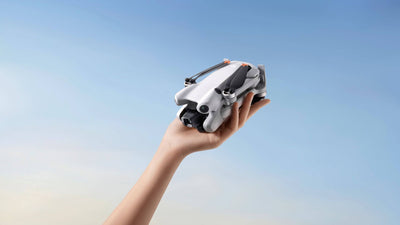
DJI Mini 5 Pro For Lightweight Wildlife Photography & Discreet Filming
The DJI Mini 5 Pro is a strong match for hikers, travellers, and anyone who wants a capable wildlife drone that is quick to deploy. Its key advantage is convenience. It is easier to carry, faster to set up, and less of a burden on long walks to remote hides, coastal paths, or upland locations.
Best wildlife use cases
- Bird and landscape storytelling where the drone supports wide establishing shots
- Discreet filming in open countryside where a small footprint matters
- Quick launch opportunities when light breaks through clouds for a short window
- Beginner to intermediate wildlife creators who want a premium result without the size of a large drone
Strengths for wildlife
A lighter drone can feel less intrusive at distance, and it encourages a simpler style of flying. You can keep your approach gentle, hover high, and capture behaviour with minimal disruption. The Mini 5 Pro also suits photographers who want a drone alongside a main camera, rather than a drone that dominates the kit bag.
What to watch out for
Smaller drones tend to have less presence in wind compared with larger platforms. You can still work safely, but you need to be more selective with conditions and locations. When filming wildlife, this can be an advantage because it pushes you towards calmer days and more patient planning.
DJI Air 3S For Versatile Wildlife Filming & Tracking Across Mixed Environments
The DJI Air 3S sits in a sweet spot for many UK pilots. It is still portable, but it offers more confidence in varied conditions. For wildlife filming that includes tracking behaviour across terrain, the Air 3S is a strong all round option.
Best wildlife use cases
- Filming mammals moving across open ground where you need steady follow shots
- Coastal and moorland work where wind stability matters
- Content creators who produce both wildlife and travel footage
- Semi professional operators who need consistent results for client work
Strengths for wildlife
The Air 3S is built for flexibility. It can handle a wider range of shooting styles, from smooth cinematic clips to controlled tracking where you maintain a safe distance and adjust framing as the subject moves. This matters for UK wildlife work because you rarely get a second chance. A stable platform helps you keep the shot without sudden corrections that can disturb animals.
The Air 3S also suits people who want one drone that can do everything. You can capture wide scenic shots for context, then tighten framing for behaviour sequences, all within the same session.
What to watch out for
Versatility can tempt you to fly closer than you should. Wildlife work rewards restraint. Use the Air 3S strengths to stay further away, fly higher, and move slowly, not to chase.
DJI Mavic 4 Pro For Advanced Wildlife Production & Professional Fieldwork
The DJI Mavic 4 Pro is the choice for serious wildlife production, high end content, and demanding professional work. If your goal is the cleanest footage, the most confident control in tougher conditions, and a camera system that holds quality when you need to crop, this is where the Mavic 4 Pro stands out.
Best wildlife use cases
- Documentary style wildlife filming where image quality must hold on large screens
- Professional tracking and survey style tasks where stability and repeatability matter
- Clients who need consistent deliverables across changing light and weather
- Operators who frequently work in open exposed environments
Strengths for wildlife
The biggest benefit is confidence. A more capable platform lets you maintain steady composition, hold position reliably, and capture footage that looks polished without heavy correction. For wildlife, that can mean better results from further away because the image still holds detail. It also helps when you have to work quickly. In a short weather gap, you can launch, execute the plan, and land without feeling rushed.
What to watch out for
Higher capability comes with higher responsibility. You need a disciplined approach to separation distance, especially when the drone is powerful enough to close the gap easily. Build a consistent workflow. Start high, assess behaviour, then decide if you should continue. Many of the best wildlife shots happen when you wait and let the subject move naturally through the frame.
Which DJI Drone Should You Choose For Wildlife Photography & Tracking?
Choosing between these three models is easier when you start with your typical day in the field.
If you walk long distances, travel light, and want a drone that is always in the bag, the DJI Mini 5 Pro is the most practical. It supports respectful wildlife filming because it naturally favours calmer days and higher altitude shots.
If you want one drone that can handle mixed subjects, varied conditions, and both consumer and semi professional use, the DJI Air 3S is the best balance. It is a reliable partner for tracking behaviour over open ground and filming in places where wind is a constant factor.
If you are producing high end wildlife work or doing professional field operations where consistency is essential, the DJI Mavic 4 Pro is the premium option. It is designed for results you can deliver with confidence.
Practical Tips For Better Wildlife Results
Scout the location before you fly
Learn where animals feed, travel, and rest. Plan a launch point that keeps you away from sensitive areas. Avoid flying across the subject to reach your filming position.
Use smooth movement and longer takes
Wildlife footage feels more natural when you let behaviour unfold. Use slow inputs, maintain altitude, and aim for longer clips. You can always cut down later.
Prioritise distance and framing
Make distance your default. Use careful framing and zoom to tighten composition rather than flying closer.
Work with light not against it
Early morning and late afternoon are ideal for wildlife, but they also come with faster changes in exposure. Set up your camera settings before you reach the subject area so you are not hovering low while you adjust.
Treat the flight as a welfare based decision
If the animal reacts, stop filming. The best wildlife creators earn trust through restraint, not through proximity.
FAQs
What is the best drone for wildlife photography in the UK
For most people, the DJI Air 3S is the best overall option because it balances portability, stability, and consistent image results. The DJI Mini 5 Pro is ideal for lightweight travel and casual wildlife filming. The DJI Mavic 4 Pro suits professional wildlife production where top tier footage and confident control matter.
What drone is best for tracking wildlife movement
The DJI Air 3S is a strong option for tracking style filming across mixed terrain because it offers a stable platform and flexible shooting. For professional tracking tasks where repeatable performance is essential, the DJI Mavic 4 Pro is the better fit.
How close can I fly a drone to wildlife in the UK
The right distance depends on the species and the situation. A safe approach is to keep far enough away that the animal shows no change in behaviour. If the animal reacts, increase distance immediately and end the flight. Always follow UK drone rules and any local restrictions for the site.
Can I use a drone to film birds in the UK
You can film birds with a drone, but you should avoid nesting areas and never pursue or pressure birds in flight. Use higher altitude, slow movement, and zoom to maintain a respectful buffer. If the bird changes behaviour or leaves the area, stop the flight.
Is a smaller drone better for wildlife photography
A smaller drone like the DJI Mini 5 Pro can be easier to carry and can feel less intrusive at distance. Larger drones can offer more stability and stronger image performance. The best choice depends on your locations, wind conditions, and how often you hike with your kit.
Conclusion
Wildlife photography and tracking with a drone is about patience, planning, and keeping a respectful distance. The DJI Mini 5 Pro is perfect for lightweight wildlife adventures and quick capture opportunities. The DJI Air 3S is the most versatile choice for UK conditions and balanced performance. The DJI Mavic 4 Pro is the premium option for professional results and demanding fieldwork.
If you are ready to choose the right drone for your next wildlife project, shop the latest models at the Coptrz official online store.