Skip to content


Top Drone Trends To Look Out For In 2026
- by Stefan Gandhi
2026 is shaping up to be a pivotal year for drones in the UK. Consumer flyers are getting smarter, safer aircraft that deliver more cinematic results with less effort. Professional operators are seeing bigger shifts, with compliance tightening, autonomy accelerating, and clients demanding clearer ROI from every flight.
Below are the key drone trends to watch in 2026, with practical takeaways for hobbyists, creators, commercial pilots, and enterprise teams.
UK Regulation Becomes A Bigger Buying Factor
In 2026, the UK’s regulatory direction is influencing what people buy, not just how they fly. New UK class marking requirements for newly placed products, plus phased Remote ID requirements, mean drone owners are paying closer attention to what a drone is certified to do and how future proof it feels.
What this means in practice:
- Buyers increasingly ask about class marks, category fit, and what that unlocks for flying near people.
- Remote ID readiness becomes a common pre purchase question, particularly for organisations that need robust governance and audit trails.
- Training and compliance support become part of the “product”, not a separate add on.
For professionals, this trend favours suppliers that can bundle hardware, setup support, policy templates, training pathways, and ongoing servicing.
Remote ID Starts To Move From Concept To Habit
Remote ID is easy to ignore until it becomes part of the pre flight checklist. In 2026, it starts to become normal. Not every drone in the sky needs it immediately, but the direction is clear and the market is responding.
Expect to see:
- More drones shipping with Remote ID built in as standard.
- More pilots learning how to confirm Remote ID status inside apps before take off.
- More organisations requiring Remote ID compliance in SOPs, especially for multi pilot teams.
As this becomes routine, manufacturers and software platforms will compete on making compliance frictionless.
Drone Design Shifts Toward Safety Features & Predictability
Pure performance still matters, but product development is leaning harder into safety, stability, and predictability. That shows up in better obstacle sensing, smarter return to home logic, improved link resilience, and more consistent positioning.
In 2026, look out for:
- More reliable multi direction obstacle sensing across mid range models.
- Better performance in complex environments such as trees, reflective surfaces, and built up areas.
- More confident flight behaviour tuned for real world flying, not just lab testing.
For creators, this reduces ruined takes. For commercial operators, it reduces incident risk and improves repeatability.
AI Assisted Filming Becomes The Default For Consumers
Consumer drone content is still booming, but the workflow is changing. More people want high quality shots with minimal manual flying skill. AI powered tracking, subject recognition, and automated shot sequences keep improving, and the results look less “robotic” than early generations.
You will see more:
- Subject tracking that holds composition more naturally.
- Automated cinematic moves that are easier to edit into social clips.
- In app suggestions for shot types based on the scene.
This trend also benefits small businesses that need quick aerial visuals for marketing, property, and events.
FPV Continues To Grow Up & Go Mainstream
FPV is no longer just a niche hobby. More people are discovering cine style FPV for creative work, with safer platforms, clearer learning routes, and better simulation tools.
In 2026, expect:
- More lightweight cine platforms aimed at controlled cinematic flying.
- Better digital link stability and recording options for edit ready footage.
- A bigger split between pure racing setups and client friendly cinema rigs.
For pros, FPV is becoming an extra service line that sits alongside standard aerial videography.
Drone-In-A-Box & Automation Accelerate In Professional Workflows
Autonomous operations are no longer a future promise. Drone in a box systems and remote operations tooling are becoming more common in security, inspection, utilities, and site monitoring. The reason is simple: automation reduces travel time, speeds up response, and creates consistent datasets.
Key capabilities pushing this trend:
- Scheduled missions and repeatable routes for change detection.
- Remote operations centres managing multiple sites.
- Better integration with incident workflows for security and public safety.
For many organisations, a single automated system can replace dozens of manual site visits per month.
Demand Shifts From Photos To Actionable Data Products
Professional drone work is moving beyond “getting images” and toward delivering decisions. Clients want outputs that slot into existing systems and prove value quickly. This is driving adoption of mapping, modelling, inspection reporting, and asset management integration.
You can expect growth in:
- Photogrammetry workflows that produce clean, measurable deliverables.
- Thermal inspections that come with clear reporting, not just screenshots.
- Repeatable survey missions that enable progress tracking on sites.
Operators who package data into business outcomes will outperform those selling flight time alone.
Sensor Choice Becomes A Bigger Differentiator
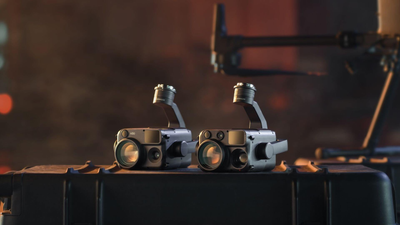
Payloads are becoming more central to the buying decision for professional users. The airframe is still important, but the sensor defines the use case. As sensors improve, more teams build multi sensor capability into their fleet planning.
Trends to watch:
- Wider adoption of thermal for maintenance, energy, and public safety.
- More appetite for multi sensor payloads that combine zoom, wide, and thermal in one workflow.
- Better low light capability for security and emergency response missions.
This pushes the market toward “mission ready” bundles rather than standalone drones.
Battery Safety, Charging Logistics & Fleet Uptime Get More Attention
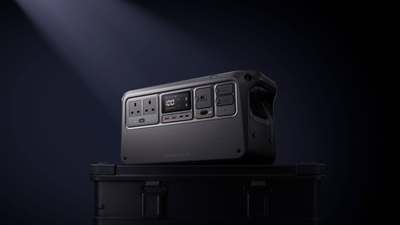
As drones become everyday tools, reliability matters more than peak specs. Fleet managers care about battery health, storage practices, charging routines, and replacement cycles. Hobbyists care too, especially as travel, storage, and winter flying become more common topics.
In 2026, expect:
- More emphasis on battery health tracking and smarter charging habits.
- More accessories designed around safe transport and storage.
- More buyers choosing suppliers with strong aftercare and repair support.
Uptime becomes a competitive advantage, especially for commercial operators working on client deadlines.
Training & Insurance Become Part Of The Customer Journey
More flyers want to do things properly, and more organisations require proof. That makes training, operational planning, and insurance more central to adoption.
You will see:
- Increased uptake in structured training routes for consumers moving into more capable flying.
- More businesses seeking formal competency pathways and documented procedures.
- Insurance discussions happening earlier in the buying cycle, not after purchase.
This trend rewards retailers and partners that make compliance and progression easy.
FAQs
Do I need a Flyer ID for a drone under 250g in the UK in 2026?
A Flyer ID is not required for every sub 250g drone. Requirements depend on weight and features, and some drones still need registration and competency steps. Check the latest CAA guidance for your exact model and setup.
What is Remote ID and how does it affect flying a drone in the UK?
Remote ID is a way for a drone to broadcast identification and flight information. It is becoming a standard compliance expectation over time, particularly for newer drones and professional operations.
Can I fly a drone over people in the UK in 2026?
Rules depend on the drone’s classification and the category of flight. Some lighter drones can operate closer to people under specific conditions, while heavier drones face stricter limits. Planning and certification can expand options.
What drone should I buy in 2026 for photography and video?
Look for strong stabilisation, reliable obstacle sensing, excellent low light performance, and intelligent filming modes. Consider where you plan to fly most often and how portable the drone needs to be.
What are the biggest commercial uses for drones in the UK right now?
Inspections, surveying, construction progress tracking, security monitoring, emergency response support, and thermal inspections remain among the most in demand applications.
Is FPV legal in the UK and what rules apply?
FPV can be flown legally with the right setup and operating approach. Many flights require a competent observer and adherence to the Drone Code and operating limits.
Conclusion
The biggest drone trend in 2026 is maturity. Regulations are shaping buying decisions, Remote ID is becoming normal, consumer drones are getting smarter and safer, and professional clients want measurable outcomes, not just aerial footage. If you align your kit and your skills with these shifts, 2026 can be a breakthrough year for your flying.
Ready to upgrade your drone setup this year? Explore the latest consumer and professional drones at the Coptrz official online store and get the right kit for your next mission.