Skip to content


DJI Power 1000 Mini Launches With 1kWh In Half The Size
- by Stefan Gandhi
The DJI Power 1000 Mini arrives today, 20 April 2026, as DJI's most compact 1kWh portable power station to date. It packs 1008Wh of lithium ferrophosphate capacity into an 11.5kg body roughly half the size of the original DJI Power 1000, with a 100W retractable USB-C cable, a built-in 400W car charger, a 400W MPPT solar module, and fast charging for DJI drone batteries. This launch guide covers what the DJI Power 1000 Mini does, how it compares to the standard DJI Power 1000, and why it earns a place in a pilot's kit bag.
What Is the DJI Power 1000 Mini
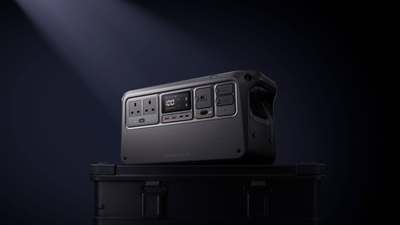
The DJI Power 1000 Mini is a 1008Wh portable power station aimed at campers, road-trippers, content creators, and drone operators who need reliable power away from a fixed socket. It uses LFP chemistry rated for 4000 charge cycles, delivers up to 1000W of continuous output, and supports select 1200W appliances such as portable fridges, laptops, cameras, and lighting. The unit measures 314 by 212 by 216 mm and weighs approximately 11.5kg, well below the 14.2kg DJI Power 1000 V2.
According to DJI, an updated inverter improves low-load efficiency, giving the Mini roughly 10 per cent more runtime than the original 1000 when running 100 to 400W devices. For pilots powering monitors, laptops, and charging hubs on location, that is an extra 40 minutes of working time before a recharge.
Compact Size with Full 1kWh Capacity
Portability is the headline of this release. DJI has cut the footprint of its 1kWh unit almost in half without dropping capacity, making the Mini easy to carry from the boot of a car to a riverside filming location. The moulded handle, flame-retardant shell, and 1-tonne static pressure rating mean it copes with rough handling on construction sites and long drives.
The port layout stays generous despite the size cut. Dual USB-A, four AC output sockets, a retractable USB-C cable, and an SDC expansion port cover most scenarios at once.
Fast Recharge Options Without Extra Adapters
The Mini supports four recharge paths in one unit. A grid connection in Fast Recharge Mode takes the battery from 0 to 80 per cent in 58 minutes, and to 100 per cent in 75 minutes, figures that DJI measured at 25 degrees Celsius with a maximum 1000W grid input.
The built-in 400W car charger is the more interesting addition for field teams. With the DJI Power Car Battery Charging Cable, the Mini connects straight to a vehicle battery and pulls 1008Wh in around 160 minutes of driving. The 400W MPPT module does the same for solar panels, matching a compatible 400W array through a single MC4 cable for a similar 160-minute top-up in good light. There is no need to carry a separate charger for each method.
Retractable 100W USB-C Cable Built In
A first for DJI's power line-up, the Mini ships with an integrated retractable 100W USB-C cable that extends to 0.8 metres and pulls back automatically when released. The module is user-replaceable, so a damaged cable does not mean a damaged power station, and the full 100W PD output is enough to fast charge a 14-inch MacBook Pro, a Samsung tablet, or a modern smartphone at top speed.
A Power Station Built for DJI Drone Pilots
This is where the Mini is most relevant to the Coptrz audience. Paired with the DJI Power Fast Charge Cable for Drones, the SDC port unlocks DJI fast charging for supported aircraft batteries. DJI measured a DJI Air 3 Series battery going from 10 to 95 per cent in just 30 minutes, fast enough to rotate three batteries through a single Mini and keep a drone in the air for most of a shooting day.
One Mini can charge a typical drone battery around eight times from full, so surveying teams, wedding filmmakers, and inspection pilots all benefit from the same predictable battery plan. The DJI Home app adds remote port control, live temperature readings, and firmware updates for monitoring long charge cycles from the back of a van.
Safety, Durability, and Longevity
LFP chemistry is the baseline expectation for a modern power station, and the Mini goes further with nail penetration testing to the GB 36276-2023 standard, 10 temperature sensors, and 26 internal fuses feeding the intelligent battery management system. After 4000 charge cycles, the battery retains around 80 per cent of its original capacity, equating to around ten years of daily use before meaningful degradation.
The inverter is protected by a potting process rated for condensation and salt spray, and the unit is tested to operate at altitudes up to 5000 metres. Add the 30dB noise floor in Standard Recharge Mode and a UPS mode that takes over in 0.01 seconds during a blackout, and the Mini works as well as a quiet home backup as it does a field power hub.
DJI Power 1000 Mini vs DJI Power 1000 V2
The two stations share the same LFP chemistry, 4000-cycle rating, and 5000m altitude limit. The DJI Power 1000 V2 delivers a higher 2600W continuous output and 140W USB-C, which suits larger appliances and heavier workshop use. The DJI Power 1000 Mini trades that raw output for a 2.7kg weight saving, the retractable cable, integrated car and solar chargers, and better efficiency on 100 to 400W devices. Drone operators, field videographers, and overlanders are the clear target audience for the Mini.
FAQs
How many times can the DJI Power 1000 Mini charge a drone?
DJI's figures show approximately eight full charges for a typical drone battery from a single 1008Wh top-up. Exact numbers depend on the aircraft and battery model, and the SDC fast charge cable will further influence cycle efficiency.
How long does the DJI Power 1000 Mini take to charge?
From empty, the Mini reaches 80 per cent in 58 minutes and 100 per cent in 75 minutes via grid power in Fast Recharge Mode. A full solar or car recharge takes around 160 minutes under the relevant test conditions.
What is the difference between the DJI Power 1000 Mini and the DJI Power 1000 V2?
The Mini is physically smaller and roughly 2.7kg lighter, and adds a retractable 100W USB-C cable, a built-in 400W car charger, and a 400W MPPT solar module. The V2 offers a higher 2600W continuous output and 140W USB-C but lacks the integrated charging hardware and size advantage.
Can you take the DJI Power 1000 Mini on a plane?
No. At 1008Wh the Mini significantly exceeds the 100Wh limit for lithium batteries in carry-on or checked luggage on commercial flights. Ground transport is the only practical option for this unit.
Is the DJI Power 1000 Mini waterproof?
The Mini is not rated for continuous wet operation. DJI recommends no more than three minutes of use in rainy conditions, and the potting process protects the inverter against condensation and salt spray rather than full immersion.
Conclusion
The DJI Power 1000 Mini is a smart upgrade for anyone who already flies DJI aircraft and wants a matching power hub for the field. The combination of compact size, genuine 1kWh capacity, fast multi-source recharging, and SDC drone fast charging makes it one of the most practical portable power launches of the year.
Shop the DJI Power 1000 Mini and the full DJI Power range at the Coptrz official online store for same-day dispatch and UK support.