Skip to content


DJI Dock 3 Demonstrates Automated Farming Potential In Hokkaido
- by Stefan Gandhi
Agriculture is entering a new era of automation, and Hokkaido in northern Japan has become a proving ground for what the next decade of remote farm management could look like. With its vast farmland, wide seasonal temperature swings, and challenging terrain, the region has long demanded tools that can carry out work with consistency and reduced labour. DJI Dock 3 is now stepping into that role, showing how automated drone operations can transform the way agricultural teams plan, survey, and manage large fields.
This article explores how DJI Dock 3 is supporting collaborative farmland improvement projects in Hokkaido, how drone-in-a-box technology is streamlining tasks once completed manually, and what this innovation could mean for UK agricultural professionals seeking smarter workflows and stronger returns on investment.
The Rise Of Automated Drone Operations In Agriculture
Agricultural surveying has traditionally relied on on-site pilots who must travel to the field, complete the flight, retrieve data, and review outputs back at the office. This manual workflow is slow, inconsistent, and vulnerable to human error. In regions like Hokkaido, extreme weather makes the process even more challenging.
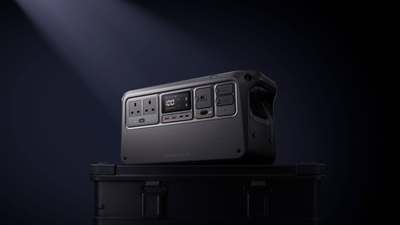
DJI Dock 3 removes these barriers through full automation. It manages takeoff, landing, charging, and data upload without any on-site personnel. Once configured, the dock allows certified operators to run missions remotely at any time of day, supporting real-time decision making and much more frequent monitoring than manual flights allow.
In Hokkaido, this shift is not just improving efficiency. It is reshaping resource allocation, environmental planning, and cross-organisational collaboration.
Collaboration Powering Smarter Farmland Management
The featured case study highlights an initiative led by four organisations working together to improve workflows across a large agricultural zone. Their goal is to increase accuracy, unify construction standards, and refine the way farmland is surveyed and developed.
Farmers in the Toyohashi area requested consistent construction quality across work zones. To support this, local contractors formed an association focused on standardising their approach to land improvement. They previously shared project schedules manually, but in the past year they also began pooling equipment and human resources to balance workloads and deliver higher quality outcomes.
DJI Dock 3 became a natural extension of this collaborative model. It created a single automated asset capable of serving multiple work areas without the logistical overhead of moving pilots between sites. For the contractor teams, this meant they could deploy survey missions centrally, reduce downtime, and redirect skilled staff to higher value work.
The dock also enabled seamless information sharing. Survey data collected by the drone flowed automatically into cloud-based platforms, supporting faster progress checks and better communication across the joint project group.
Why DJI Dock 3 Was Selected For Hokkaido’s Demanding Environment
Hokkaido’s climate is known for harsh winters, strong winds, and unpredictable conditions. Surveyors on the farmland development project in Bibai City needed a reliable solution capable of stable autonomous flights despite temperature fluctuations and challenging weather patterns.
DJI Dock 3 met these demands due to its rugged construction, advanced aircraft integration, and dependable charging and cooling systems. The project team secured Level 3.5 flight authorisation, allowing certified operators to run remote missions from off-site locations. This expanded the scope of what could be achieved without in-person oversight.
By removing the need to travel to the site, the team saved significant time and reduced operational costs. Importantly, they also gained the ability to schedule flights at the exact moments their customers required, creating a more responsive service model.
Transforming Workflows With FlightHub 2 & Automated Data Delivery
One of the biggest advantages of DJI Dock 3 is its tight integration with DJI FlightHub 2. In the Hokkaido project, this enabled an almost fully automated workflow from mission launch to data review.
A typical operation now looks like this:
- Operators plan a flight remotely through FlightHub 2.
- DJI Dock 3 deploys the drone to complete the survey.
- The aircraft returns automatically to the dock.
- Data is uploaded to the cloud for immediate access.
- Teams review models, measurements, and imagery from the office.
This system removed travel time, reduced manual errors, and allowed field teams to perform more surveys across wider areas. Progress checks that once required physical presence could now be completed online, with stakeholders reviewing 3D models and measurement outputs from anywhere.
The result is a more streamlined workflow that supports both labour savings and quality control. With improved visibility across the project, managers can track development progress, identify issues earlier, and provide more accurate reports to farmers and contractors.
Building The Foundations Of Smart Agriculture
Beyond surveying alone, the data collected from these automated missions is paving the way for long-term digital transformation. The project team aims to use 3D data to improve earthwork volume calculations, which are essential for precise land shaping. As they accumulate more datasets, the plan is to create a digital library that can support future smart agriculture operations.
This aligns closely with emerging trends in UK agriculture, where precision workflows are becoming essential due to rising input costs, labour shortages, and environmental compliance requirements. Automated drone stations like DJI Dock 3 can support soil management, irrigation planning, crop analysis, and land grading without the constraints of manual flight scheduling.
In Hokkaido, the project’s leaders emphasise that automation is not replacing expertise. Instead, it is freeing skilled workers from repetitive on-site tasks, allowing them to focus on planning, analysis, and decision making. Their objective is to sustain agricultural productivity and support food culture for future generations.
The Impact On Labour, Sustainability & Operational Efficiency
Several key benefits emerged from the Hokkaido case study:
Significant Reduction In On-Site Labour
Pilots no longer travel daily to remote fields. A single dock manages surveys across multiple zones, supporting central oversight.
Improved Consistency & Data Quality
Automated flights reduce human variability, resulting in more reliable measurements and repeatable missions.
Increased Survey Frequency
With easier scheduling and zero travel requirements, teams can collect data more often and maintain up-to-date field insights.
Better Environmental Planning
Remote operations reduce fuel use and on-site emissions, supporting more sustainable land management.
More Responsive Workflows
Customers can request surveys at specific times, enabling teams to adapt quickly to project needs.
For UK agricultural businesses dealing with large estates, complex terrain, or tight environmental restrictions, these benefits illustrate the practical value of automated drone systems.
FAQs
How does a drone-in-a-box system improve agricultural surveying?
Automated drone stations complete flights, charging, and data uploads without on-site staff. This increases efficiency, delivers consistent data, and reduces operational costs across large fields.
Can DJI Dock 3 operate in challenging weather?
DJI Dock 3 is designed for harsh environments with advanced cooling, heating, and protection systems. It performs reliably across a wide temperature range, making it suitable for regions with fluctuating weather conditions.
What software is needed to run automated missions?
DJI FlightHub 2 supports mission planning, remote operations, and data management. It forms the backbone of automated workflows and integrates directly with the dock.
Does automated surveying still require certified operators?
Yes. Remote missions must be managed by certified operators who meet the requirements of local aviation regulations. Automating workflow steps does not remove oversight responsibilities.
Is automated surveying suitable for UK farmland?
Automated solutions benefit large or remote UK farms, estate managers, environmental agencies, and agricultural contractors by reducing manual labour and improving data accuracy.
Conclusion
The Hokkaido case study shows how DJI Dock 3 can transform agricultural surveying by delivering more efficient, consistent, and collaborative field operations. Through automated missions, remote monitoring, and powerful data management, teams in Japan are paving the way for a new era of smart agriculture. Their experience demonstrates that drone-in-a-box systems offer a practical and scalable solution for managing large farmland projects, even in demanding environments.
As UK agriculture faces rising costs, labour shortages, and pressure to improve environmental performance, automated drone stations present an opportunity to modernise operations and unlock long-term value.