Skip to content


How GÜRİŞ Uses DJI Dock 3 To Automate Wind And Solar Inspections In Turkey
- by Stefan Gandhi
In the heart of Turkey, one of the fastest-growing renewable energy markets in Europe, inspection demands are evolving fast. Managing expansive wind farms and solar panel fields across remote terrain has traditionally meant long timelines, high operational risk and inconsistent data. For GÜRİŞ, a major player in Turkey's clean energy sector, these obstacles demanded a radical shift.
Enter DJI Dock 3 and WTIP, GÜRİŞ’s in-house Wind Turbine Inspection Program. Together, they’ve transformed inspections from labour-intensive and reactive tasks into an automated, standardised and rapid process. This case study explores how GÜRİŞ redefined its asset management strategy and what it means for professional drone operators in the UK.
The Challenge In Wind & Solar Inspection
Wind turbines and solar panels form the backbone of modern renewable infrastructure, but they bring very different challenges.
Turbine blade inspections often involve working at height in difficult weather and terrain. The physical risks to technicians are significant, and downtime during inspections can result in costly energy losses. Solar fields, by contrast, require constant thermal and visual inspections across hundreds or thousands of panels, often spread over vast areas. Spotting faults like hotspots or broken panels manually is time-consuming and inefficient.
Traditional inspection timelines ranged from four to twelve weeks, creating delays in identifying critical issues. Human-led processes also introduced inconsistencies in data collection and analysis. In a high-performance sector like renewables, this simply isn’t sustainable.
Why DJI Dock 3 With WTIP Works
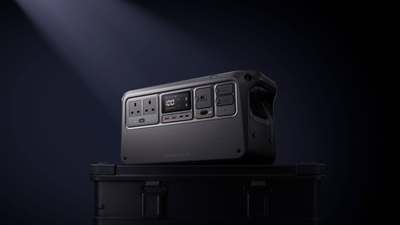
DJI Dock 3 enables drones to operate autonomously in the field. Once installed, it automates launch, flight and return processes. At GÜRİŞ sites, drones are now remotely managed and deployed according to precise flight schedules. This eliminates reliance on on-site pilots and cuts inspection delays significantly.
WTIP processes the visual and thermal data collected by Dock 3’s drones. Once the drone returns, footage is uploaded to a cloud-based analytics system that identifies anomalies and generates instant reports. For operators and engineers, this means real-time decision support without waiting for manual image review.
Together, DJI Dock 3 and WTIP deliver faster, safer and standardised inspections across both wind and solar assets. Inspection data becomes consistent, repeatable and actionable.
Deployment Across The MOGAN ENERGY Portfolio
GÜRİŞ operates its renewable assets under the MOGAN ENERGY brand, which includes 22 sites totalling more than 1,058 megawatts of capacity. At these hybrid plants, wind and solar energy are monitored via separate SCADA systems for performance, output and faults.
But SCADA platforms don’t provide detailed physical inspection data. That’s where DJI Dock 3 and WTIP came in. The system was implemented with technical collaboration between DJI engineers and GÜRİŞ’s internal teams, including field operations, IT and technology units.
Installation was seamless. Once Dock 3 was deployed, test flights began immediately. The images captured were automatically fed into WTIP, where defects and panel hotspots were flagged in real time. This integrated approach made a strong impression from day one.
Operational Results
One standout result came from a site where a critical turbine blade defect was detected early. Repairs were carried out before a forced shutdown could occur, preventing lost output and production delays.
Inspection cycles, previously lasting weeks, were shortened to just one to three days. That acceleration improves operational agility and reduces downtime risk across all assets. On the solar side, regular automated inspections led to measurable annual gains in energy output, as underperforming panels were identified and replaced more effectively.
Safety improvements have also been significant. With high-risk manual inspections reduced, technicians now focus more on strategic work than physical access tasks. Risk exposure has dropped, and the operational load on inspection teams is lighter.
Lessons For UK Drone Professionals
UK operators managing wind and solar assets face many of the same challenges as GÜRİŞ. Long inspection cycles, limited personnel, and inconsistent reporting can all affect asset performance.
Implementing automated systems like DJI Dock 3 with a cloud-based analysis platform delivers faster results and stronger business cases. With renewables now forming a growing part of the UK’s energy landscape, staying ahead with inspection automation is a smart investment.
Operators also gain improved compliance and audit readiness. Standardised reporting supports regulatory requirements, while reduced reliance on human input improves traceability and accuracy.
FAQs
How much faster are automated inspections compared with manual ones?
Manual inspections of large wind or solar sites can take four to twelve weeks. DJI Dock 3 and WTIP reduced GÜRİŞ’s inspections to just one to three days.
Can DJI Dock 3 inspect both wind turbines and solar panels?
Yes. The system supports autonomous inspections of both asset types, using pre-set flight plans and onboard sensors. WTIP then analyses the footage for turbine blade defects and solar panel faults.
Does this technology replace the need for human inspection teams?
It reduces the need for manual field inspections but doesn’t eliminate human roles entirely. Technicians still oversee analytics, verify reports and conduct targeted repairs.
What does WTIP do with the inspection data?
WTIP is a cloud-based software platform that processes imagery from DJI Dock 3. It detects anomalies such as blade cracks or panel hotspots and creates real-time reports.
How quickly can maintenance teams respond to faults?
Thanks to real-time analysis, faults can be detected and flagged within hours of inspection flights. This speeds up intervention and reduces potential downtime.
Conclusion
GÜRİŞ’s adoption of DJI Dock 3 and WTIP signals a major shift in renewable infrastructure management. By automating inspections, they’ve cut down risk, improved data quality and accelerated operations across their portfolio. The gains in safety, speed and insight make a strong case for drone automation in the energy sector.
For UK operators, now is the time to modernise inspection strategies. DJI Dock 3 offers a scalable, proven solution for managing the growing complexity of renewable energy sites.